American and German researches have adduced an interesting index for the assessment of impact of various factors on the development of the transport engineering in the 1990th. Thus, improvement of logistic chains of any enterprise increases profits by 5-10%, engagement of experts and breakthrough scientists for future collaboration increases such profits up to 15%, procurement of unique machines and production lines – up to 50%.
It is worthy of note that an economic effect, gained from the combination of all these steps, will be equal not to 100%, but significantly higher, i.e. up to 300 contingent percents. According to the investigations carried, technologically developed countries have certain cyclic periods for origination of Innovative Sites. For example, in the USA it is about 7 years, in Europe – about 12 years, in Latin America – up to 18 years. China has become the leader in this process at the beginning of this century. Approximately every two years a new production enterprise, that may be referred to as "innovative" for one reason or another, is commissioned in that country.
Russian industrial sites and research & production complexes were not subject for such research up to the 21st century. The bulk of the above were established during the industrialization held in the USSR in the 1920th, 1930th; another part was established even later, but anyway, up to the beginning of the new century.
Experience gained from creation of the innovative production base "from the ground up" is unique for Russia so far.
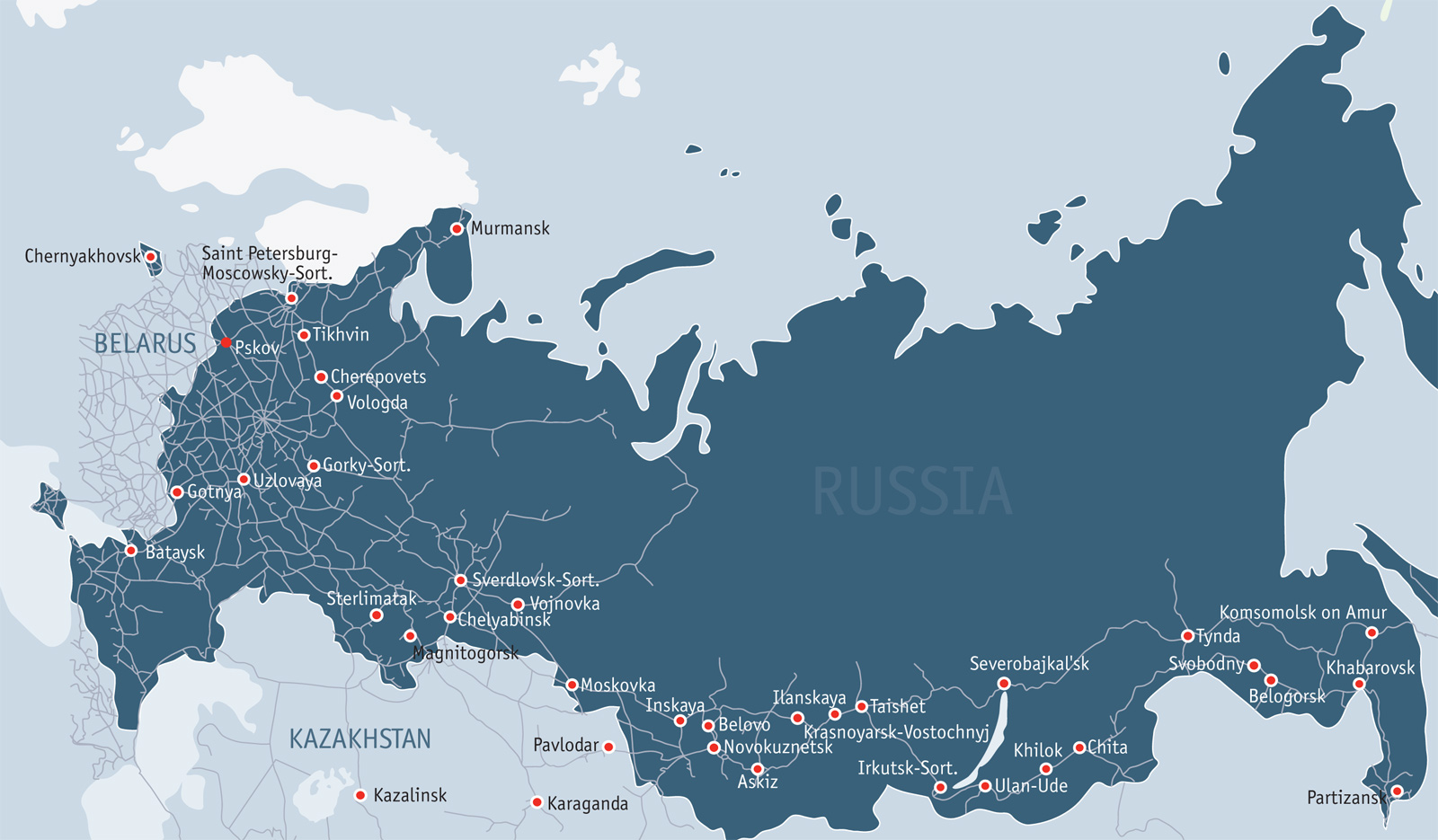
The Tikhvin Freight Car Building Plant is solving the problem aimed at global launching innovative exclusive products to the railway engineering market by original designing of an own enterprise as an integration of the most advanced solutions.
The Quality Management System, new management technologies are being implemented at Tikhvin plant as early as at the design stage. This is precisely why that the Freight Car Building Plant as a whole, i.e. its technological industrial complex of the full cycle, is considered to be the main innovative product.
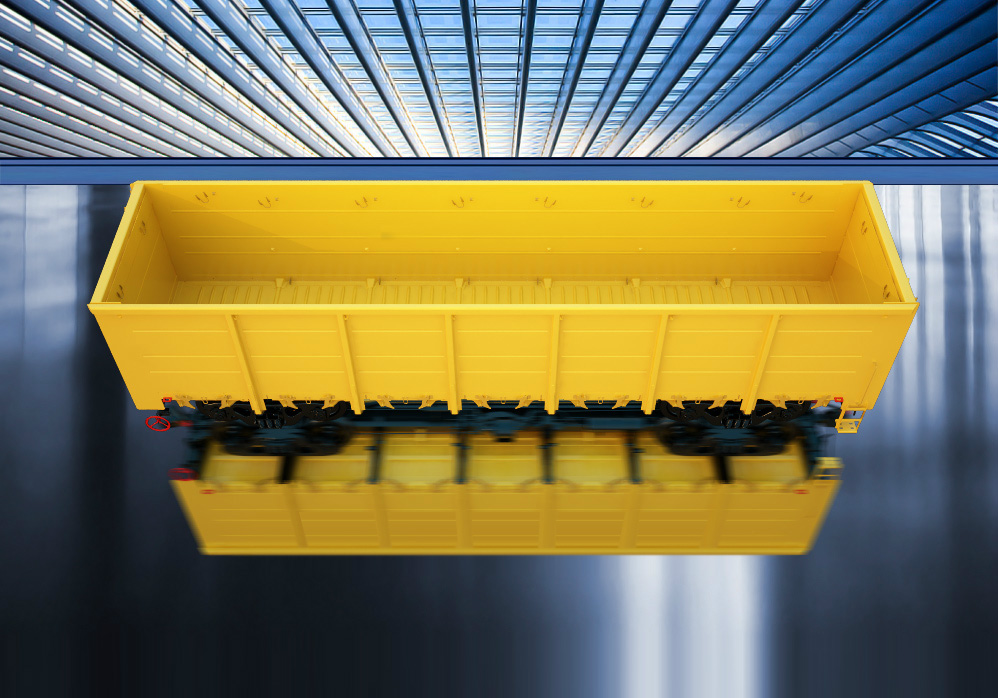
Prime Minister Vladimir Putin launched the Tikhvin Freight Car Building Plant production and first freight cars, which do not have analog for the 1520 mm gauge railway, are already coming off the assembly line.
Starfire Engineering &Technologies, Inc. participated in the project for design engineering of the railcars. The a.m. company is located in Lawrence, (Kansas, USA) and is specialized in the design of the rolling stock for American and Canadian railways and is the leading company on the North-American market. Due to engineering & technical competence of Starfire's engineers, national & transnational railway companies of the 1st and 2nd classes, manufacturers of railway machinery, private owners of the rolling stock, leasing companies, logistic support companies and other organizations related to the railway industry, have become company's clients.
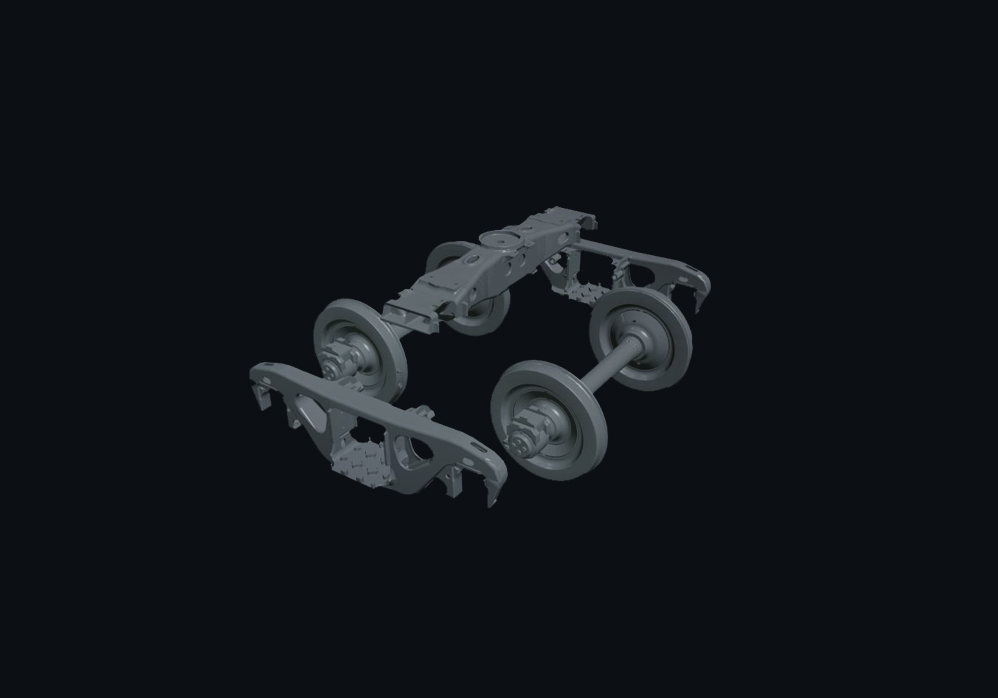
The innovative bogie of Barber S-2-R type, is obviously considered a key design unit of the railcars which embodied many years' experience gained in operation of Barber model family.
The bogie's design has been developed with direct involvement of Standard Car Truck, SCTCO (Park Ridge, Illinois, USA). John C. Barber, engineer & innovator founded the company in 1896 just after making the first Barber bogie.
Standing the test of time from the first models to designs of revolutionary Barber S-2 system for railway cars with a variable amortization characteristic, the SCTCO has always been at the front line of innovations in the railway industry.
Standard Car Truck and Barber are viewed nowadays as synonyms, which suggest production of high-quality lateral stability systems. The US Patent and Trademark Office officially recorded a patent for the design of a stabilized car bogie in 1951.
As of today, the experience gained in the process of creation, operation and improvement of Barber's bogies exceeds 100 years. 85% of the North-American's freight car fleet is equipped with Barber bogies, and practically all produced cars in China use it as a base. It should be noted that the bogie of Model 18-100, which is used by 90% as a base of Russian cars, has an American origin: it was designed more than half a century ago on the basis of the Barber bogie of previous generations.
Introduction of the Barber S-2-R bogie on the 1520 mm gauge track is a result of long-term unique hard work of the leading American and Russian specialists. The bogie design embedded breakthrough technologies, which made it possible to create an undercarriage of freight cars with safety indices, operational reliability and operational costs unique for the Russian Federation and CIS countries.
The Tikhvin Freight Car Building Plant is the owner of full intellectual property rights on the Barber S-2-R bogie and we hope it to become a new industry standard in the mid-term, because its use will bring some significant economic advantages to the whole Russian railway industry. | 
Freing cars mounted on Barber bogie (USA, 1934)

Barber bogie (USA, 1930)

Barber bogie promo poster

Standard Car Truck Co. stabilized car truck bogie patient
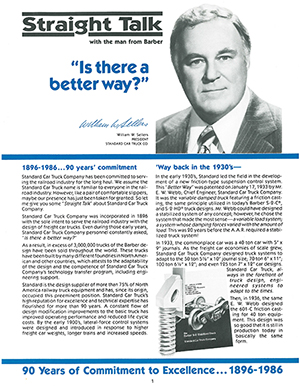
Interview with the President of Standard Car Truck Co. William W. Sellers
|